



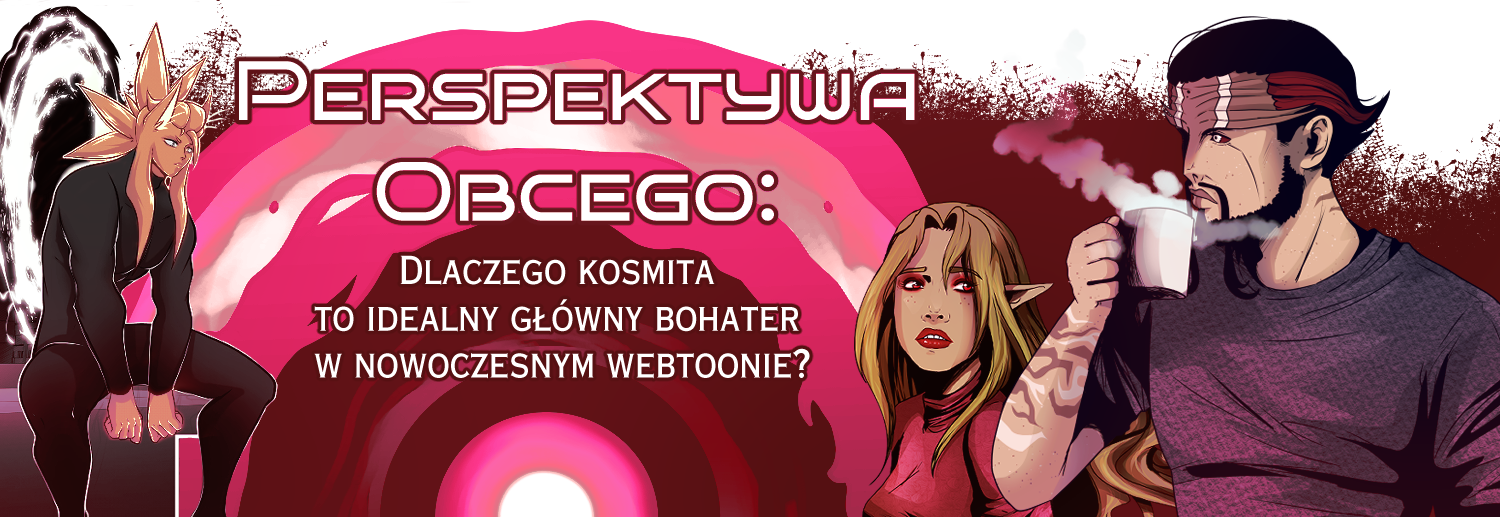
Najlepsze historie sci-fi zaczynają się od jednego prostego pytania:
co jeśli to nie my jesteśmy normalni?
Kosmita jako główny bohater to nie jest już tylko zabieg fabularny. To lustro, które ktoś bezczelnie podsuwa nam pod nos – i jeszcze ma czelność patrzeć, jak się w nim krzywimy.
Bo kiedy patrzysz na świat oczami obcego, nagle wszystko, co „ludzkie”, zaczyna wyglądać jak dziwny rytuał, którego nikt do końca nie rozumie, ale wszyscy udają, że tak.
The best sci-fi stories begin with one simple question:
what if we aren’t the normal ones?
An alien as a protagonist is no longer just a plot device. It’s a mirror that someone insolently shoves under our noses—and then has the nerve to watch us squirm in it.
Because when you look at the world through the eyes of an alien, suddenly everything “human” starts to look like a strange ritual that no one quite understands, yet everyone pretends they do.
Obcy, czyli idealny narrator naszych absurdów
Superbohater zna zasady gry. Antybohater je łamie.
Kosmita? On nawet nie wie, że istnieją.
I właśnie dlatego działa to tak dobrze w komiksach sci-fi i nowoczesnych webtoonach. Perspektywa obcego pozwala rozbroić rzeczy, które dla nas są przezroczyste.
Nagle:
- emocje wyglądają jak bug w systemie,
- społeczne normy przypominają źle napisany regulamin,
- a relacje międzyludzkie to coś między slow burn opowiadania fantasy a chaotycznym DLC bez tutoriala,
- i wszystko, co „naturalne”, zaczyna wyglądać jak coś kompletnie arbitralnego.
To nie przypadek, że kosmici w popkulturze wracają do łask. Bo nic tak nie odświeża gatunku jak ktoś, kto nie gra według jego zasad.
The Alien: The perfect narrator of our absurdities
A superhero knows the rules of the game. An anti-hero breaks them.
An alien? He doesn’t even know they exist.
And that’s exactly why it works so well in sci-fi comics and modern webtoons. The alien perspective allows us to dismantle things that are transparent to us.
Suddenly:
- emotions look like a bug in the system,
- social norms resemble a poorly written set of regulations,
- and human relationships are something between slow burn fantasy stories and a chaotic DLC without a tutorial,
- and everything “natural” starts to look like something completely arbitrary.
It’s no coincidence that aliens in pop culture are making a comeback. Because nothing refreshes a genre like someone who doesn’t play by its rules.
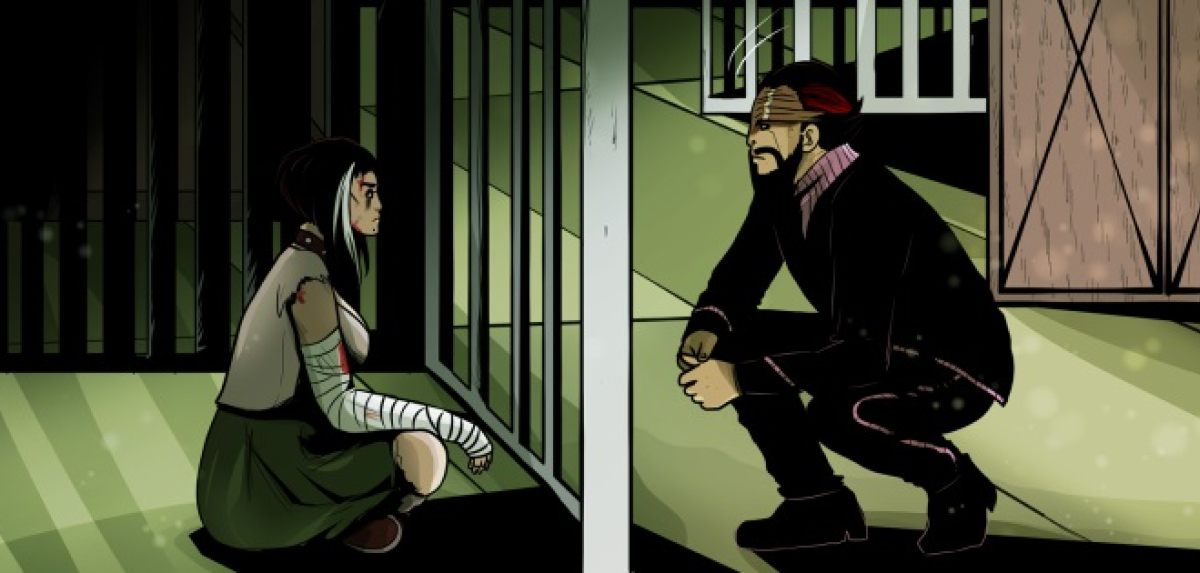
Moralność widziana z zewnątrz
Najciekawsze rzeczy zaczynają się tam, gdzie pojawia się tarcie.
Kosmita nie rozumie:
- dlaczego kłamstwo jest złe, jeśli działa,
- czemu poświęcenie jest szlachetne, skoro jest nieefektywne,
- dlaczego ratujemy jednostki kosztem systemu,
- i skąd bierze się potrzeba bycia „dobrym”, jeśli nikt nie mierzy wyników.
I nagle robi się niewygodnie. Bo dylematy moralne w literaturze przestają być filozofią do kawy. Stają się czymś ostrym, zimnym, niemal klinicznym.
Morality seen from the outside
The most interesting things begin where friction appears.
An alien doesn’t understand:
- why a lie is bad if it works,
- why sacrifice is noble if it’s inefficient,
- why we save individuals at the expense of the system,
- and where the need to be “good” comes from if no one measures the results.
And suddenly it gets uncomfortable. Because moral dilemmas in literature stop being coffee-table philosophy. They become something sharp, cold, almost clinical.
Neo-noir w kosmosie, czyli kiedy wszechświat ma zły dzień
Jeśli myślisz, że kosmici to tylko wielkie oczy i filozoficzne monologi, to znaczy, że ominęła cię najlepsza część zabawy.
Nowe webkomiksy i neo noir sci-fi webcomic idą w zupełnie inną stronę. Kosmos przestaje być miejscem odkryć. Staje się miejscem intryg.
Masz tam:
- politykę międzygatunkową zamiast bitew,
- tajemnice starsze niż sama cywilizacja,
- bohaterów, którzy wiedzą za dużo i rozumieją za mało,
- i napięcie, które bardziej przypomina thriller niż space operę.
To trochę jak najlepsze komiksy kryminalne, tylko zamiast brudnych ulic masz stacje orbitalne.
Neo-noir in space, or when the universe has a bad day
If you think aliens are just big eyes and philosophical monologues, you’ve missed the best part of the fun.
New webcomics and neo-noir sci-fi webcomics are heading in a completely different direction. Space stops being a place of discovery. It becomes a place of intrigue.
There you have:
- interspecies politics instead of battles,
- secrets older than civilization itself,
- heroes who know too much and understand too little,
- and tension that resembles a thriller more than a space opera.
It’s a bit like the best crime comics, but instead of dirty streets, you have orbital stations.
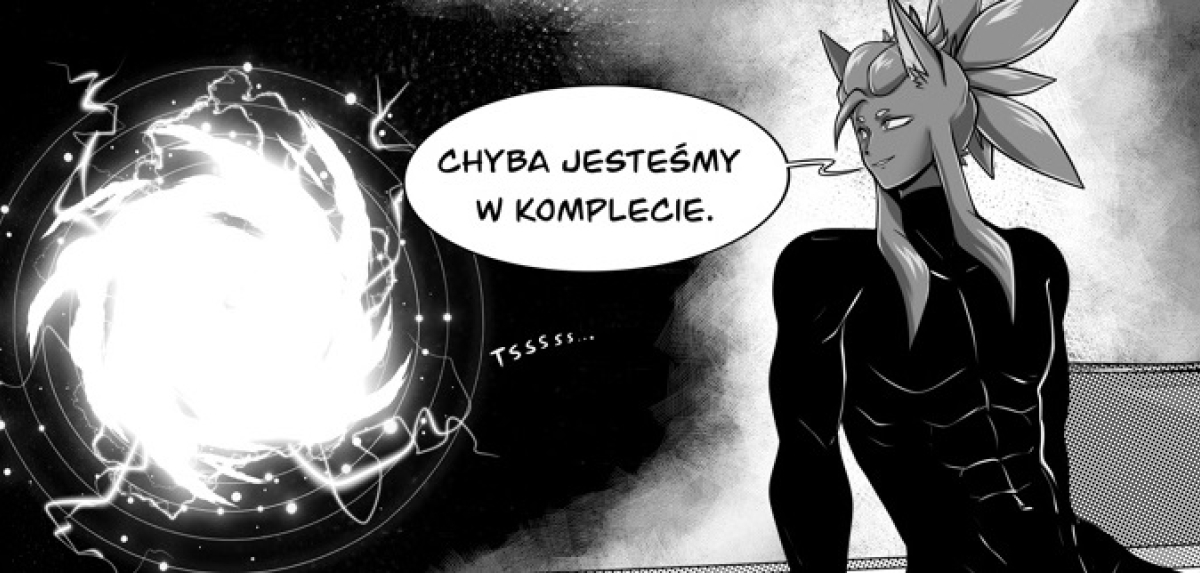
Case study: Iocte Nocte i kosmiczne rozdanie kart
Jeśli wpisujesz w Google najlepsze webkomiksy 2026, webkomiksy po polsku albo klasyczne „co czytać jak nie mam co czytać”, to pozwól, że skrócę ci drogę. Zacznij tutaj:
👉 https://ioctenocte.com/?series=zacmienie
👉 https://ioctenocte.com/?series=hok
👉 https://ioctenocte.com/?series=narodziny-boga
👉 https://ioctenocte.com/?series=amordei
„Zaćmienie” to rdzeń całego uniwersum — ciężkie komiksy sci-fi, w których kosmos nie jest tłem, tylko systemem naczyń połączonych. Polityka, napięcia między cywilizacjami i decyzje, które rozchodzą się falą dalej, niż bohaterowie by chcieli. Jeśli interesują cię intrygi w kosmosie, to tutaj one mają konsekwencje, a nie tylko klimat.
„Hok” nie jest historią „o kosmitach”. To historia o funkcjonowaniu pośród czegoś większego. Bardziej surowa, bardziej skupiona na jednostce wrzuconej w mechanizm, którego nie kontroluje. Mniej „co się wydarzy”, bardziej „co to robi z tobą, kiedy już się wydarzyło”.
„Narodziny Boga” to nie mitologia i nie teoria starożytnych kosmitów w wersji z TikToka. To punkt zapalny całego świata — moment, w którym coś zostaje powołane do istnienia i natychmiast zaczyna mieć konsekwencje. Bardziej geneza niż reinterpretacja. Bardziej pytanie „dlaczego to w ogóle istnieje” niż „kto tu rządzi”.
I jest jeszcze „AmorDei” — tytuł, który działa ciszej, ale trafia głębiej. Relacje, napięcia, emocje, które nie potrzebują kosmicznej skali, żeby coś rozwalić od środka. Jeśli szukasz czegoś w klimacie mroczna literatura z humorem albo historii, która rozgrywa się między słowami, to właśnie tutaj.
Całość spokojnie wpada do kategorii polskie komiksy niezależne, które budują własne uniwersa zamiast grać bezpiecznie.
Case study: Iocte Nocte and the cosmic deal
If you type into Google best webcomics 2026, webcomics in Polish, or the classic “what to read when I have nothing to read,” let me shorten the way for you. Start here:
👉 https://ioctenocte.com/?series=zacmienie
👉 https://ioctenocte.com/?series=hok
👉 https://ioctenocte.com/?series=narodziny-boga
👉 https://ioctenocte.com/?series=amordei
“Eclipse” is the core of the entire universe—heavy sci-fi comics where space is not a backdrop, but a system of interconnected vessels. Politics, tensions between civilizations, and decisions that ripple further than the characters would like. If you’re interested in space intrigues, here they have consequences, not just atmosphere.
“Hok” is not a story “about aliens.” It’s a story about functioning among something larger. More raw, more focused on an individual thrown into a mechanism they don’t control. Less “what will happen,” more “what it does to you once it has already happened.”
“Birth of God” is not mythology or an ancient alien theory from TikTok. It’s the ignition point of the entire world—the moment something is brought into existence and immediately starts having consequences. More genesis than reinterpretation. More of a “why does this exist at all” than “who’s in charge here.”
And then there’s “AmorDei”—a title that works more quietly but hits deeper. Relationships, tensions, emotions that don’t need a cosmic scale to destroy something from within. If you’re looking for something in the vibe of dark literature with humor or a story that unfolds between the lines, this is it.
The whole thing easily falls into the category of independent Polish comics that build their own universes instead of playing it safe.