



Obcy jako lustro naszych lęków: Dlaczego komiks niezależny nie boi się trudnych tematów
Najlepsze historie o obcych nigdy nie były o kosmitach.
Były o tym, czego nie chcemy zobaczyć w sobie.
Bo kiedy pojawia się „coś z zewnątrz”, nagle mamy wygodną wymówkę: to nie my jesteśmy problemem. To oni. Inni. Obcy. Cokolwiek.
A potem przychodzi komiks niezależny i mówi: sprawdź jeszcze raz.
The Alien as a Mirror of Our Fears: Why Independent Comics Aren’t Afraid of Tough Topics
The best stories about aliens were never about aliens.
They were about what we don’t want to see in ourselves.
Because when “something from the outside” appears, we suddenly have a convenient excuse: we aren’t the problem. They are. The others. The aliens. Whatever.
And then comes the independent comic and says: check again.
Obcy jako lustro, nie zagrożenie
Mainstream przez lata uczył nas jednego schematu: obcy = wróg.
Ale w pewnym momencie to przestało wystarczać. Bo ile razy można opowiadać tę samą historię o przetrwaniu?
W polskich komiksach niezależnych i nowych webkomiksach coś się przesunęło. Obcy przestał być „czymś, co atakuje”, a zaczął być:
- czymś, co obserwuje,
- czymś, co nie rozumie naszych zasad,
- czymś, co zadaje pytania, których sami unikamy,
- i czasem czymś, co wcale nie jest bardziej przerażające niż my.
To dlatego kosmici w popkulturze coraz częściej działają jak lustro, a nie potwór.
The Alien as a mirror, not a threat
For years, the mainstream taught us one pattern: alien = enemy.
But at some point, that wasn’t enough. Because how many times can you tell the same survival story?
In independent Polish comics and new webcomics, something has shifted. The alien has stopped being “something that attacks” and started being:
- something that observes,
- something that doesn’t understand our rules,
- something that asks the questions we avoid ourselves,
- and sometimes something that is not more terrifying than us.
That’s why aliens in pop culture increasingly act as a mirror rather than a monster.
Lęk, którego nie da się nazwać
Najciekawsze historie sci-fi nie straszą potworem. Straszą tym, że potwór ma sens.
Bo co jeśli nasze decyzje naprawdę są chaotyczne, nasze wartości są przypadkowe, a „normalność” to tylko umowa, której nikt nigdy nie podpisał?
To jest ten poziom, na którym komiksy sci-fi zaczynają wchodzić w rejony, których mainstream raczej unika. Za mało komfortowe. Za mało „heroiczne”. Komiks niezależny nie ma tego problemu. Nie musi być bezpieczny.
The dread that cannot be named
The most interesting sci-fi stories don’t scare you with a monster. They scare you with the fact that the monster makes sense.
For what if our decisions are truly chaotic, our values accidental, and “normalcy” is just an agreement no one ever signed?
This is the level where sci-fi comics begin to enter areas that the mainstream tends to avoid. Too uncomfortable. Not “heroic” enough. Independent comics don’t have this problem. They don’t have to be safe.
Iocte Nocte i obcość, która trafia pod skórę
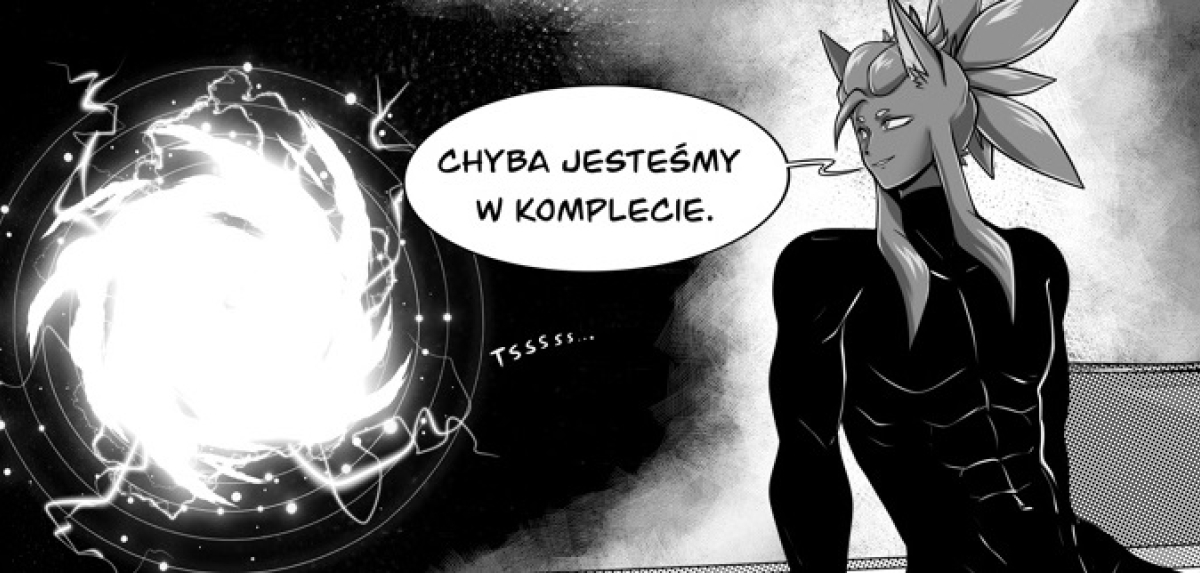
W tym kontekście Iocte Nocte robi coś, co łatwo przeoczyć, jeśli patrzy się tylko na „gatunek”. Tu obcy nie jest figurą. Jest doświadczeniem.
„Zaćmienie” zaczyna się niemal niewinnie. Jak wiele historii z kategorii komiksy sci-fi — od świata, który wydaje się poukładany, zrozumiały, nawet jeśli obcy. I właśnie na tym polega haczyk. Bo z czasem ten porządek zaczyna się rozwarstwiać. Wchodzimy coraz głębiej w rzeczywistość, w której międzygalaktyczna polityka nie jest tłem, tylko mechanizmem napędowym wszystkiego: decyzji, relacji, konfliktów. I nagle robi się brutalnie. Zdrady nie są wyjątkami — są narzędziem. Zemsta nie jest emocją — jest strategią. A moralność… przestaje być uniwersalna. W „Zaćmieniu” nie istnieje jedno „dobro” i jedno „zło”. Wszystko zależy od tego: jakim gatunkiem jesteś, jakie masz interesy, i co twoja cywilizacja uznaje za dopuszczalne. To zmienia wszystko. Bo czytelnik nie może już oprzeć się na własnym kompasie moralnym. To, co dla jednej strony jest zdradą, dla innej może być obowiązkiem. To, co wygląda jak okrucieństwo, może być standardem. I właśnie w tym miejscu pojawia się prawdziwa obcość. Nie w wyglądzie. Nie w technologii. Tylko w wartościach. „Zaćmienie” nie daje komfortu oceniania z bezpiecznej pozycji. Zmusza do ciągłego przestawiania perspektywy — a to jest znacznie bardziej wyczerpujące niż jakakolwiek bitwa. I dużo bardziej niepokojące.
„Narodziny Boga” to zupełnie inny kaliber niepokoju — bardziej pierwotny, bardziej egzystencjalny. Tu nie chodzi o samą genezę, tylko o moment, w którym coś pradawnego wraca do istnienia… i nikt nie jest na to gotowy. Narodziny boga nie są triumfem. Są zdarzeniem, które wywołuje strach. Szczególnie u Nordów — bo to oni jako pierwsi rozumieją, że nie mają do czynienia z „nową siłą”, tylko z czymś, co było tu wcześniej. Czymś starszym niż ich porządek świata. Starszym niż ich język. I nagle wszystko zaczyna się chwiać. To nie jest pytanie „kim jest obcy?”. To jest pytanie: co jeśli coś, co uważaliśmy za fundament rzeczywistości, nigdy nie było nasze? Nie ma tu klasycznego odkrywania. Jest raczej powolne uświadamianie sobie, że: nie wszystko da się nazwać, nie wszystko da się kontrolować, i nie wszystko chce być zrozumiane. Ten lęk działa inaczej niż w typowym komiksie sci-fi. Nie jest skierowany na zewnątrz. Jest skierowany w głąb — w samą strukturę świata i miejsca, jakie zajmują w nim bohaterowie. I właśnie dlatego „Narodziny Boga” nie brzmią jak historia o odkryciu. Brzmią jak historia o utracie pewności.
„Hok” jest najbardziej „przyziemny” — i przez to najbardziej niewygodny. Obcość nie wynika tu z wyglądu czy świata, tylko z konfliktu wartości, który nie ma dobrego rozwiązania. Hok stoi dokładnie w tym miejscu, którego bohaterowie zazwyczaj unikają: między lojalnością a sumieniem. Z jednej strony jego przyjaciel knuje przeciwko pułkownikowi i realnie zagraża kruchej umowie między rasami. To nie jest abstrakcyjny konflikt — to coś, co może rozwalić cały porządek, w którym Hok funkcjonuje. Z drugiej strony masz sytuację znacznie bardziej osobistą: próbę pomocy ludzkiej kobiecie w uratowaniu jej dziecka. I tu wchodzi jego własny kompas moralny — prosty, wręcz brutalnie klarowny: żadne dziecko nie powinno być odbierane kochającym rodzicom. I nagle wszystko przestaje być „systemowe”. Bo: lojalność wobec własnych to jedno, utrzymanie pokoju to drugie, ale kiedy w grę wchodzi konkretne życie — skala się zmienia. To nie jest historia o tym, kto ma rację. To jest historia o tym, co robisz, kiedy każda decyzja coś niszczy. Obcość w „Hoku” nie polega na tym, że ktoś jest „inny”. Polega na tym, że bohater zaczyna działać według zasad, które nie pasują do świata, w którym żyje. I właśnie wtedy naprawdę zaczyna się problem.
„AmorDei” robi coś najbardziej podstępnego: najpierw usypia czujność. Na pierwszy rzut oka wszystko wygląda znajomo — relacje, emocje, dynamika między postaciami. Kosmici? Raczej „inni, ale dobrzy”. Tacy, którym chcesz ufać. I właśnie wtedy historia zaczyna dokręcać śrubę. Bo im dalej, tym wyraźniej widać, że ta „dobroć” ma bardzo konkretne granice. A właściwie — nie ma ich wcale, jeśli w grę wchodzi przetrwanie ich rasy. To jest moment, w którym wszystko się przesuwa. Nagle: decyzje, które wydawały się empatyczne, zaczynają wyglądać jak kalkulacja, relacje przestają być równe, a moralność okazuje się czymś… negocjowalnym. Nie w ludzkim sensie. W ich sensie. I to jest prawdziwy punch tej historii: kosmici nie są źli. Są konsekwentni. Dla nich granica moralna kończy się tam, gdzie zaczyna się zagrożenie dla ich istnienia. I nie ma w tym wahania, dramatu, wewnętrznego konfliktu, który znamy z ludzkich narracji. To działa jak zimny prysznic. Bo nagle okazuje się, że to, co braliśmy za „uniwersalne wartości”, jest po prostu… lokalne. „AmorDei” nie straszy potworem. Straszy logiką, której nie jesteśmy w stanie zaakceptować — ale nie możemy jej też łatwo obalić. I dlatego to jest właśnie ten moment, w którym komiks niezależny robi coś, czego mainstream zazwyczaj nie dotyka: zostawia cię bez wygodnej odpowiedzi.
„My Own Alien” idzie w zupełnie inną stronę niż reszta — i właśnie dlatego działa tak dobrze. To krótka forma, niemal romans, ale zamiast budować dystans między gatunkami, robi coś odwrotnego: rozpuszcza go. Tu obcość nie jest barierą. Jest punktem wyjścia. Relacja rozwija się nie mimo różnic, tylko obok nich — jakby nie miały aż takiego znaczenia, jak zakładamy. I to jest najbardziej przewrotne w tej historii, bo zamiast napięcia „czy oni się zrozumieją?”, dostajesz coś znacznie prostszego i przez to mocniejszego: co jeśli różnice wcale nie są problemem? Nie ma tu wielkich deklaracji ani filozoficznych wykładów. Jest: bliskość, która pojawia się szybciej, niż powinna, emocje, które są zaskakująco znajome, i poczucie, że granica „człowiek–obcy” jest bardziej umowna niż realna. To jeden z tych komiksów, które nie próbują udowodnić tezy. One ją po prostu pokazują — cicho, bez spektaklu. I przez to zostają na dłużej.
Iocte Nocte and the alienness that gets under your skin
In this context, Iocte Nocte does something that is easy to miss if you only look at the “genre”. Here, the alien is not a figure. It is an experience.
“Eclipse” begins almost innocently. Like many stories in the sci-fi comics category—from a world that seems orderly, understandable, even if alien. And that’s precisely the catch. Because over time, this order begins to unravel. We enter deeper and deeper into a reality where intergalactic politics is not a backdrop, but the driving mechanism of everything: decisions, relationships, conflicts. And suddenly it gets brutal. Betrayals are not exceptions—they are tools. Revenge is not an emotion—it’s a strategy. And morality… ceases to be universal. In “Eclipse”, there is no single “good” and single “evil”. Everything depends on: what species you are, what interests you have, and what your civilization deems acceptable. This changes everything. Because the reader can no longer rely on their own moral compass. What is betrayal for one side may be duty for another. What looks like cruelty may be the standard. And this is exactly where true alienness appears. Not in appearance. Not in technology. Only in values. “Eclipse” does not give the comfort of judging from a safe position. It forces a constant shift of perspective—which is much more exhausting than any battle. And much more unsettling.
“Birth of God” is a completely different caliber of anxiety—more primal, more existential. It’s not about the genesis itself, but about the moment when something ancient returns to existence… and no one is ready for it. The birth of a god is not a triumph. It is an event that evokes fear. Especially among the Nords—because they are the first to understand that they are not dealing with a “new force”, but with something that was here before. Something older than their world order. Older than their language. And suddenly everything begins to shake. It’s not the question “who is the alien?”. It’s the question: what if something we considered the foundation of reality was never ours? There is no classic discovery here. It is rather a slow realization that: not everything can be named, not everything can be controlled, and not everything wants to be understood. This fear works differently than in a typical sci-fi comic. It is not directed outward. It is directed inward—into the very structure of the world and the place the characters occupy in it. And that is why “Birth of God” does not sound like a story of discovery. It sounds like a story of losing certainty.
“Hok” is the most “down-to-earth”—and therefore the most uncomfortable. The alienness here does not stem from appearance or the world, but from a conflict of values that has no good solution. Hok stands exactly in the place that heroes usually avoid: between loyalty and conscience. On one hand, his friend is plotting against the colonel and truly threatening the fragile agreement between races. This is not an abstract conflict—it is something that can destroy the entire order in which Hok functions. On the other hand, you have a much more personal situation: an attempt to help a human woman save her child. And here his own moral compass comes in—simple, almost brutally clear: no child should be taken from loving parents. And suddenly everything stops being “systemic”. Because: loyalty to one’s own is one thing, maintaining peace is another, but when a specific life is involved—the scale changes. This is not a story about who is right. It is a story about what you do when every decision destroys something. The alienness in “Hok” is not about someone being “different”. It’s about the hero starting to act according to rules that do not fit the world he lives in. And that’s when the problem truly begins.
“AmorDei” does something most insidious: it first lulls your vigilance. At first glance, everything looks familiar—relationships, emotions, dynamics between characters. Aliens? Rather “different, but good”. The kind you want to trust. And that’s when the story starts to tighten the screw. Because the further it goes, the more clearly you can see that this “goodness” has very specific limits. Or rather—it has none at all, if the survival of their race is at stake. This is the moment when everything shifts. Suddenly: decisions that seemed empathetic start to look like calculations, relationships stop being equal, and morality turns out to be something… negotiable. Not in the human sense. In their sense. And that is the true punch of this story: aliens are not evil. They are consistent. For them, the moral boundary ends where the threat to their existence begins. And there is no hesitation, no drama, no internal conflict as we know it from human narratives. It acts like a cold shower. Because suddenly it turns out that what we took for “universal values” is simply… local. “AmorDei” does not scare you with a monster. It scares you with logic that we are unable to accept—but we cannot easily refute it either. And that is why this is the moment when independent comics do something that the mainstream usually doesn’t touch: they leave you without a comfortable answer.
“My Own Alien” goes in a completely different direction than the rest—and that’s why it works so well. It is a short form, almost a romance, but instead of building distance between species, it does the opposite: it dissolves it. Here, alienness is not a barrier. It is a starting point. The relationship develops not despite differences, but alongside them—as if they didn’t matter as much as we assume. And that is the most subversive thing about this story, because instead of the tension “will they understand each other?”, you get something much simpler and therefore more powerful: what if differences are not a problem at all? There are no great declarations or philosophical lectures. There is: closeness that appears faster than it should, emotions that are surprisingly familiar, and a sense that the “human–alien” boundary is more conventional than real. This is one of those comics that don’t try to prove a thesis. They simply show it—quietly, without a spectacle. And because of that, they stay with you longer.
Dlaczego to nas wciąga
Bo każdy z nas ma moment, w którym czuje się jak obcy. W pracy. W relacji. W swoim własnym życiu. I nagle historia o kosmicie przestaje być sci-fi. Zaczyna być… całkiem realistyczna.
Można czytać te komiksy dla świata, dla klimatu, dla samego gatunku. Ale prawdziwy efekt przychodzi później. W chwili, kiedy kończysz rozdział i łapiesz się na jednej myśli: jeśli to jest lustro… to co dokładnie w nim widzę?
Why it draws us in
Because each of us has a moment where we feel like an alien. At work. In a relationship. In our own lives. And suddenly the alien story stops being sci-fi. It starts being… quite realistic.
You can read these comics for the world, for the atmosphere, for the genre itself. But the real effect comes later. At the moment you finish a chapter and catch yourself with one thought: if this is a mirror… what exactly do I see in it?